|
For years, the B2B marketing playbook has been fairly simple:
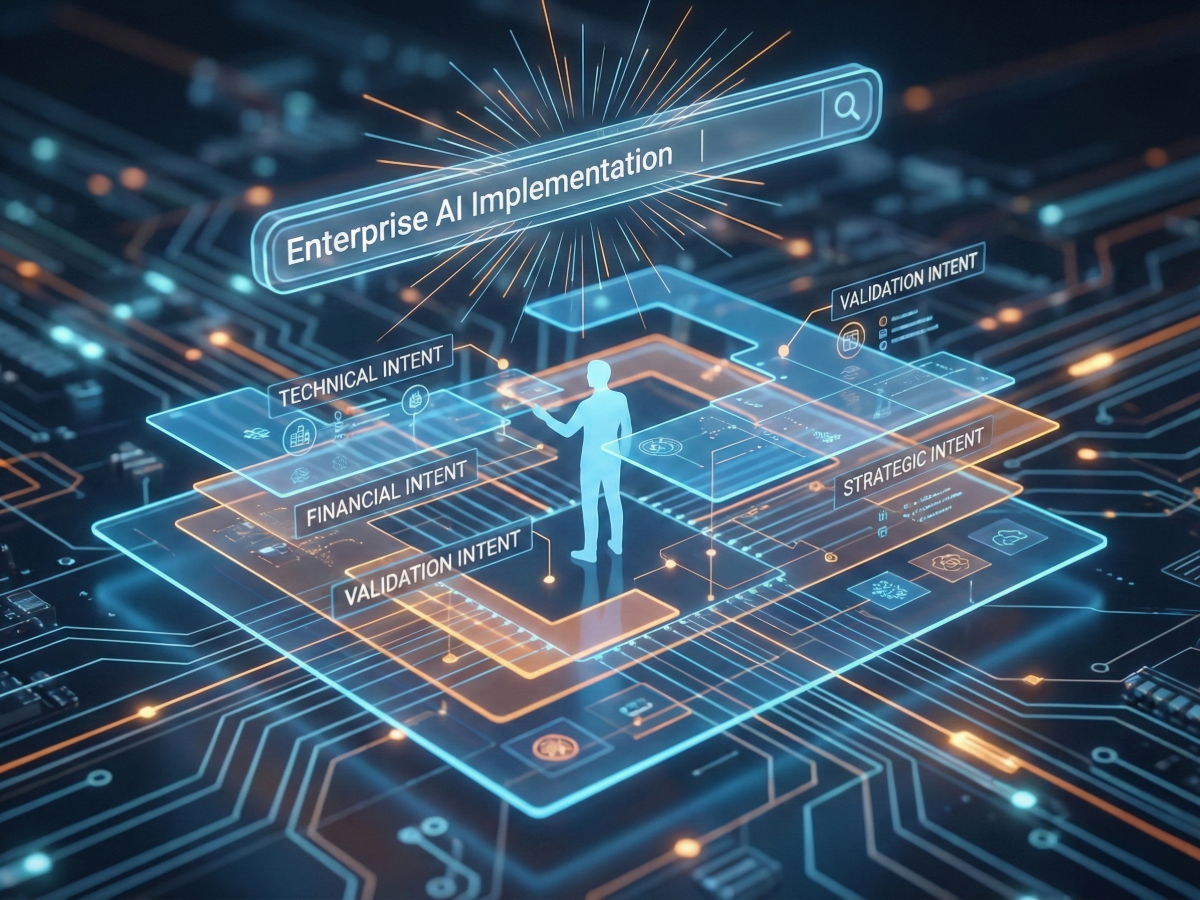
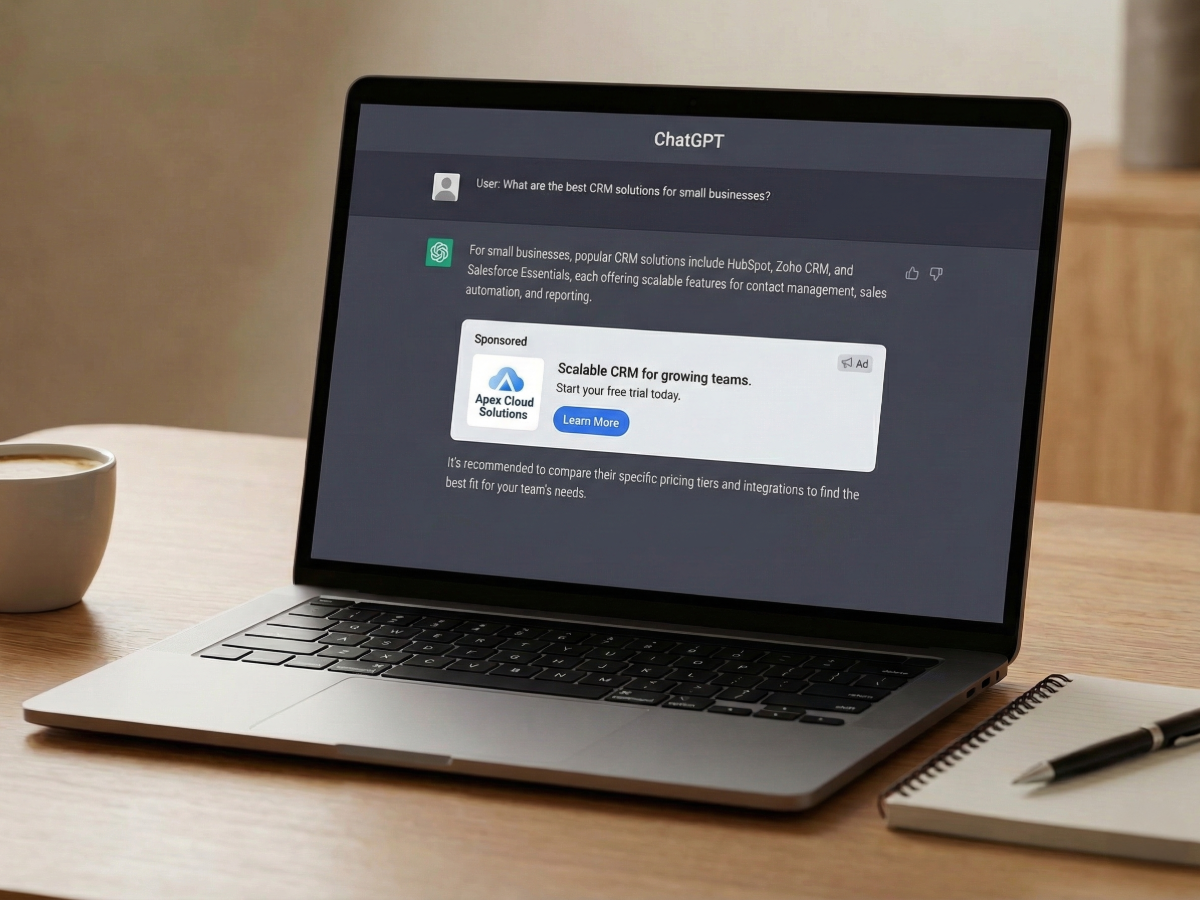
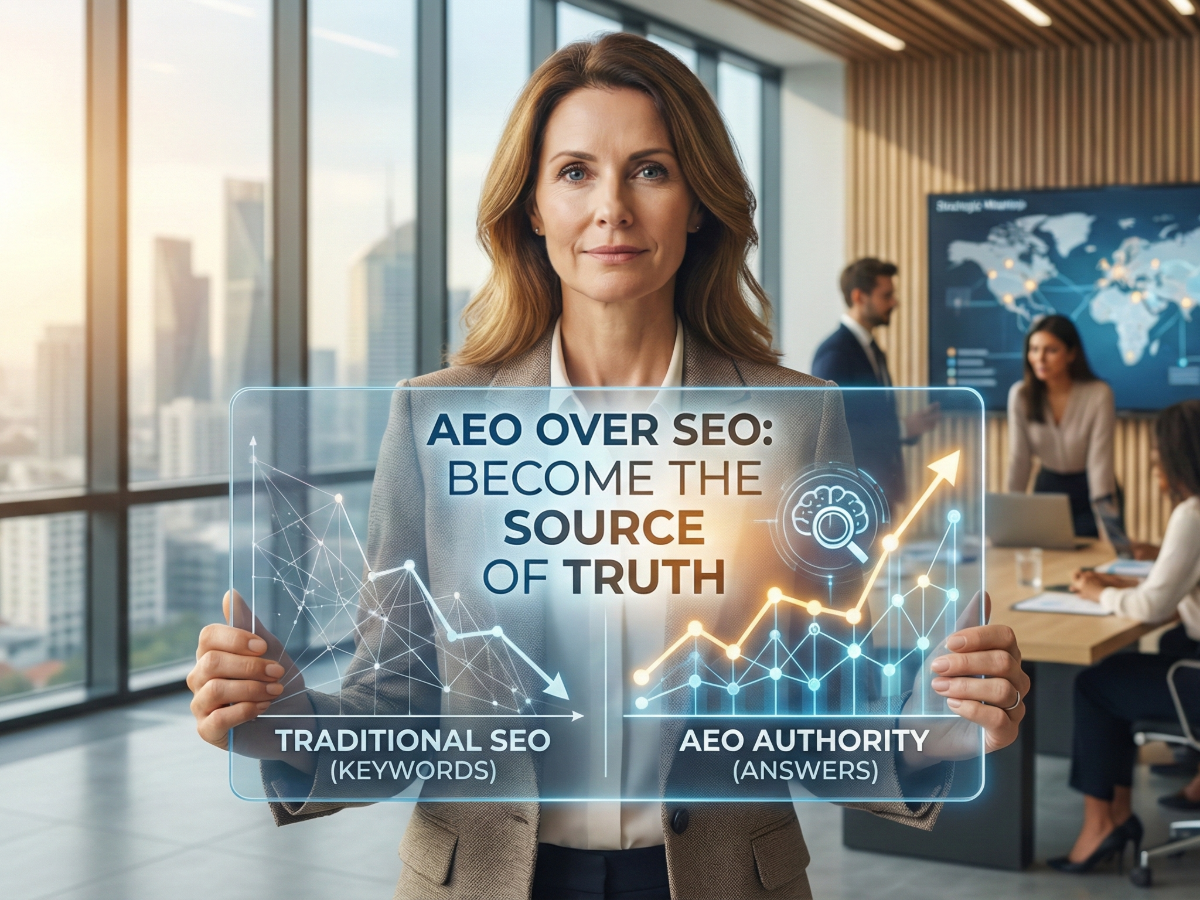
But moving through 2026, that playbook is outdated and frankly, broken. Traditional search behavior is experiencing a profound shift. Per Gartner, traditional search engine volume is anticipated to drop by 25% this year, as users abandon keyword-based browsing in favor of Answer Engines like ChatGPT, Claude, and Gemini. For B2B tech companies, the threat isn't just a loss of traffic; it’s a loss of influence. When a potential buyer asks an AI agent to “compare the top three cybersecurity platforms for mid-market healthcare,” they aren't looking for a list of links. They’re looking for a definitive answer. We’re in the era of Answer Engine Optimization (AEO). Our previous discussions on Generative Engine Optimization (GEO) focused on the technical ways machines read your site. However, AEO is about the strategic way your brand establishes authority. AI can now summarize your generic how-to guides in seconds, which means your content’s survival depends on being the source of truth. To stay relevant, B2B leaders must transition from content creation to data authority. AI engines are hungry for factual certainty and unique, first-party insights. If your content doesn't provide original data, proprietary frameworks, or verified third-party validation, the AI will just synthesize your competitors' information instead. Winning in 2026 isn't about being the loudest voice in the room anymore. It’s about being the most cited one. Why High-Volume Content is Losing to High-Density DataThe shift toward Answer Engine Optimization has exposed a massive vulnerability in traditional B2B content strategies, something we at Orange Bridge call The Citation Gap. Everyone knows that old “content is king” trope, which has led to a surplus of long-form guides designed to keep users scrolling. However, Answer Engines don’t scroll; they extract. According to Forrester, nearly 9 in 10 B2B buyers have already adopted GenAI in their purchase process, using it to compare vendors and validate decisions before they ever speak to a salesperson. When these buyers use AI to research your category, the engine isn't looking for your most creative adjectives. It is looking for Atomic Content, a term we use to refer to small, standalone units of information that are undeniable and easily cited. If your blog post is a 2,000-word narrative where the actual answer is buried in paragraph six, an AI agent will likely skip your site in favor of a competitor who provides a clear, structured data point. To close the Citation Gap, your content must transform a story to a structured resource. Research shows that pages using clear, modular headers and direct answer-first formatting are 40% more likely to be cited by AI engines than dense, traditional articles. In 2026, visibility won’t be about how many keywords you rank for. It’ll be about Citation Velocity. How quickly, and how often, can an AI find a specific, proprietary fact on your site to answer a buyer’s prompt? If you aren't providing the Atomic data, you’re being left out of the conversation entirely. The Source of Truth Audit: How to Bridge the Citation GapTo close the Citation Gap, B2B leaders must audit their content for Truth Density. The goal is to move from being a brand that talks about a trend to being the brand that defines it. At Orange Bridge, we recommend a simple Summary Proof Test: Copy your latest blog post and ask a GenAI tool like Gemini or ChatGPT to summarize it in three sentences. If the AI can provide the full value of your article without needing to name your brand or cite your specific data, you have a Citation Gap. Your content is providing the "what" but not the "who." To increase your Citation Velocity, your 2026 content calendar should prioritize three specific content archetypes:
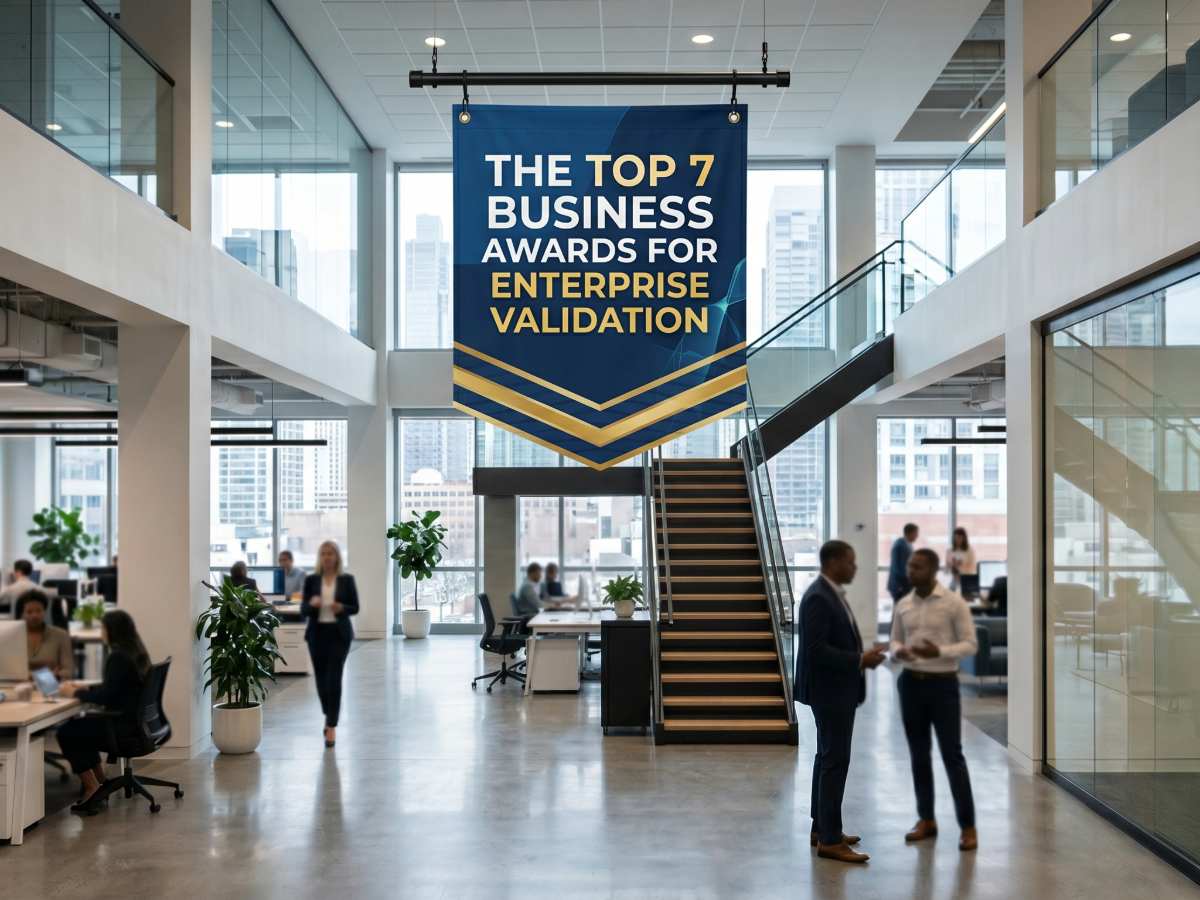
The future of B2B visibility isn't found in a keyword list. It’s found in the data, the frameworks, and the verified authority that only your brand can provide. Stop writing for the algorithm. Start becoming the source. Why Validation is Your AI Tie-BreakerIn an era defined by the Citation Gap, the most dangerous thing a B2B brand can be is unverified. When an Answer Engine synthesizes a response, it acts as a digital curator, choosing between dozens of potential sources. If your competitors are providing similar data, the AI looks for a tie-breaker to decide who to trust. This is where the power of third-party validation, specifically industry awards, becomes a technical necessity. Recent AEO research shows that Authority & Trust signals (like award wins and reputable mentions) correlate with a 35% higher likelihood of being cited by AI engines. In the eyes of an LLM, an award is a structured data point that verifies your entity's leadership in a specific category. Winning an industry award creates a permanent, high-authority record in the knowledge graphs that AI models rely on. It is the ultimate trust anchor that ensures when a buyer asks for the best in the business, the answer they receive is you. Ready to turn your expertise into a cited authority? At Orange Bridge, we help you secure the third-party validation that powers your 2026 AEO strategy. We provide specialized award submission strategy, development and support services tailored for programs across Microsoft, Google, AWS, SAP, and more.
|